Q: Is Ferrosilicon toxic?
A: Yes, ferrosilicon is quite toxic, and direct contact should be avoided. When exposed to moisture, ferrosilicon can produce toxic and flammable gasses, hazardous to human health. Ferrosilicon can cause irritation to the skin and eyes, and an irritated respiratory tract when inhaling the gasses. The necessary precautions should be made when handling the product, including personal protective equipment such as filter respirators, goggles, protective gloves and clothes.
Q: What is the difference between Atomised and Milled Ferrosilicon?
A: Not sure about Milled vs. Atomized Ferrosilicon for your process needs? Milled 15% Ferrosilicon is the most cost-effective option, but quality is however not always constant, leading to difficult operation and inconsistent consumption. Finer grades of Ferrosilicon, leading to higher milling costs, yet causes higher loss. Atomized Ferrosilicon, although more expensive of the two Ferrosilicon ranges, offers lower (and more consistent)consumption.
Q: How is Ferrosilicon used diamond processing plants?
A: Ferrosilicon is used in a number of different applications and industrial processes, but mainly in diamond processing plants. Ferrosilicon is used to create a medium with a very specific density that will facilitate the separation of diamonds from diamond-bearing material, by means of dense media separation / the sink-float method. Ferrosilicon is manufactured in different grades, each with slightly different characteristics and properties, which makes it easier to select the right grade for use in diamond processing plants.
Q: What are the advantages of ferrosilicon powder?
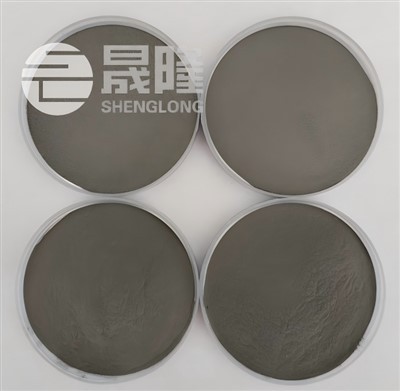
A: Ferrosilicon powder is produced by fine grinding together with a professional grinding machine. In the actual process of using ferrosilicon powder, ferrosilicon powder can be absorbed faster than ferrosilicon block, so the ferrosilicon powder is far more reactive than the bulk Fast speed and good effect!
Q: What are the applications of ferrosilicon powder?
A: Ferrosilicon powder is mainly used in the steel-making industry. Putting a certain proportion of ferrosilicon powder in molten steel can play a role in rapid deoxidation, which can effectively save the time and cost of deoxidization, and greatly improve the quality of the finished steel. The cost of the enterprise, not only that, the ferrosilicon powder also has the application of slag-collecting agent, which can effectively aggregate the oxides in molten steel and effectively filter impurities in the molten steel to improve the purity of molten steel!
Q: What are the uses of ferrosilicon?
A: This product has many applications in steel production and casting. It contributes an increase in hardness and deoxidising properties but also with an improvement in strength and quality of iron steel products. Using it to manufacture inoculants and nodularisers can give specific metallurgical properties to the final products produced, which can be:
Stainless steel: for superior corrosion resistance, hygiene, aesthetic and wear-resistance qualities.
Carbon steels: used extensively in suspension bridges and other structural support material and in automotive bodies.
Alloy steel: other types of finished steel.
In fact, high-purity products are used in the production of grain-oriented (FeSi HP/AF Specialty Steel) and non-oriented electrical sheet and specialty steels requiring low levels of aluminium, titanium, boron and other residual elements.
Whether used for deoxidizing, inoculating, alloying, or as a source of fuel, our quality ferrosilicon products have stood the test of time.
Q: What is ferro silicate?
A: Ferrosilicon (FeSi) is an alloy of iron and silicon with a very variable silicon content between 10% and 90%. It is used as a so-called master alloy in steel production, which is added in small amounts in order to adjust the properties of the melt, the cooling process and the finished product.
Q: What is iron silicon used for?
A: Ferrosilicon (FeSi) is an alloy of iron and silicon that is principally used in steelmaking for deoxidation and as an alloying component. Elkem is one of the largest suppliers of premium-grade ferrosilicon ferroalloys worldwide, and we’re ready to help you identify the best product for your application.
Q: What is another name for ferrosilicon?
A: Ferrosilicon, or ferrosilicium, is a ferroalloy an alloy of iron and silicon with between 15 and 90% silicon. It contains a high proportion of iron silicides. Its melting point is about 1200 °C to 1250 °C with a boiling point of 2355 °C. It also contains about 1 to 2% of calcium and aluminium.
Q: What is the difference between silicon and ferrosilicon?
A: Silicon metal is also used as an alloying agent in the production of aluminum and steel. Uses: Ferro silicon is primarily used as an additive in steelmaking and cast iron production. It is added to molten iron to improve its properties such as strength, hardness, and resistance to corrosion.
Q: Where does ferro silicon come from?
A: It contains a high proportion of iron silicides. Ferrosilicon is produced by reduction of silica or sand with coke in presence of iron. Ferrosilicon is known to possess good resistance to abrasion, good resistance to corrosion, high specific gravity, and high magnetism, which allows easy magnetic recovery.
Q: What are the raw materials for ferro silicon?
A: Main raw materials for Ferro Silicon production are quartz, charcoal and mill scale. Quartz contains chemical gangue besides the conglomerates of surface sticking mud coat and earth materials which contributes for slag forming tendencies.
Q: Where is ferrosilicon produced?
A: Excluding the United States, ferrosilicon accounted for almost 70% of world silicon production on a silicon-content basis in 2021. The leading countries for ferrosilicon production were, in descending order and on a silicon-content basis, China, Russia, and Norway.
Q: Is ferrosilicon strong?
A: The chemical affinity between silicon and oxygen is very large. Therefore, ferrosilicon is a strong deoxidizer for steelmaking for precipitation and diffusion. deoxidation. Adding a certain amount of silicon to the steel can significantly improve the strength, hardness and elasticity of the steel.
Q: Is ferro silicon a metal?
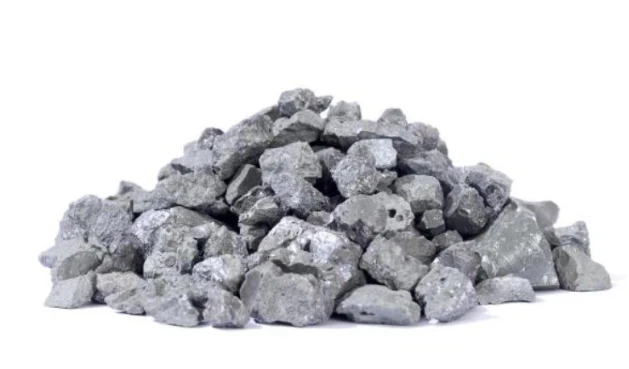
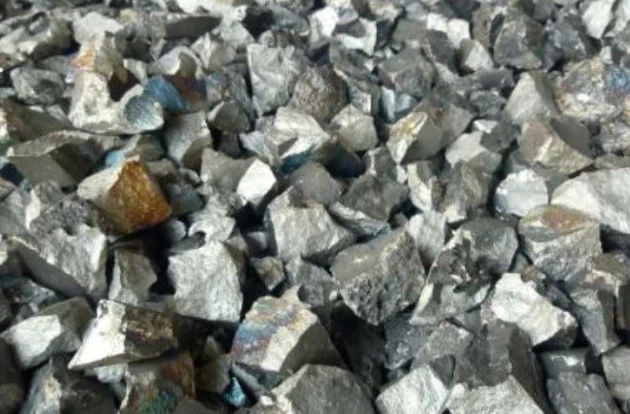
A: Ferrosilicon appears as a solid alloy of iron and silicon. Used to add silicon to iron and steel. Ferrosilicon is an odorless, crystalline solid metal. It is flammable and can react explosively with oxidizing materials. In the presence of moisture or water it may emit toxic and explosive fumes. It is used in magnesium processing.
Q: What is the demand for ferrosilicon?
A: The ferrosilicon market is projected to reach USD 12.9 billion by 2028, at a CAGR of 3.4% from USD 10.9 billion in 2023. Ferrosilicon serves as a vital component in various industrial sectors, particularly the steel and iron industry. With silicon content ranging from 15% to 90%, ferrosilicon plays a crucial role in enhancing the quality and properties of steel through its unique characteristics. In the steel manufacturing process, it acts as a powerful deoxidizer, effectively eliminating oxygen from the molten steel and consequently improving its overall quality and performance.
Q: What are the grades of ferrosilicon?
A: Ferrosilicon is an alloy of iron and silicon containing 15 to 95 percent silicon and used for deoxidizing molten steel and making silicon steel and high-silicon cast iron. Ferrosilicon is produced by reducing the level of silica, or sand, through mixing coke with iron. Typical sources of iron are millscale, or from recycling scrap iron. Ferrosilicons with silicon weight content up to about 15% are made in blast furnaces lined with acid fire bricks while higher weight content are made in electric arc furnaces. The usual grades on the market are ferrosilicons with 45%, 65%, 70%, and 75% silicon. The remainder is iron, with about 2% consisting of other elements like aluminum and calcium.
Q: What is the solubility of ferrosilicon?
A: Fe-Si may slowly produce hydrogen (H2) when it comes in contact with water. The dust of Fe-Si is soluble in water with the solubility of 0.015 milli grams Si per litre at pH of 5.8-5-9 and temperature of 20 deg C. Toxic and flammable gases are produced when this alloy reacts with moisture, bases and acids.
Q: What is the by product of the silicon and ferrosilicon industries?
A: Silica fume (SF) is a byproduct of the smelting process in the silicon and ferrosilicon industry. The reduction of high-purity quartz to silicon at temperatures up to 2000 °C produces SiO2 vapours, which oxidizes and condense in the low-temperature zone to tiny particles consisting of non-crystalline silica.
Q: What materials are replacing silicon?
A: Gallium Arsenide (GaAs): GaAs is a compound semiconductor that has higher electron mobility than silicon, enabling faster switching speeds and higher-frequency operation. It is particularly suitable for high-speed applications such as radio-frequency (RF) amplifiers and telecommunications devices.
Q: What can replace silicon in semiconductor?
A: Carbon nanotubes: These are small tubes made of carbon atoms that have unique electrical properties, making them ideal for use in semiconductors. Graphene: This is a single layer of carbon atoms arranged in a hexagonal lattice, which has excellent electrical and thermal conductivity.