Q: What are benefits of manganese steel?
A: Manganese steel is an alloy that contains between 10% and 14% manganese. This alloy is known for its high impact resistance, making it the perfect choice for structural steel. Manganese steel also has a high level of wear resistance, meaning it will withstand repeated wear and tear. Additionally, manganese steel is corrosion resistant, so it won’t rust or corrode over time. Finally, manganese steel is magnetic, so it can be used in a variety of applications. Structural steel, which is what bridges are made out of, utilizes this metal to create strong structures. In addition to bridges, there are many other places where structural steel comes into play – it can be found in buildings such as offices and warehouses. These are just some examples of the many benefits that come with using manganese steel!Commercial buildings made with manganese steel. Manganese steel is an alloy made with manganese, iron, and carbon. The addition of manganese makes the steel harder and more resistant to wear. This makes it an ideal choice for construction projects that require durability and strength. Contractors often choose manganese steel over other metals because it does not need a coating or any other form of surface treatment.
Q: What makes manganese special?
A: Manganese is a transition metal with a multifaceted array of industrial alloy uses, particularly in stainless steels. It improves strength, workability, and resistance to wear. Manganese oxide is used as an oxidising agent; as a rubber additive; and in glass making, fertilisers, and ceramics.
Q: What does manganese look like in nature?
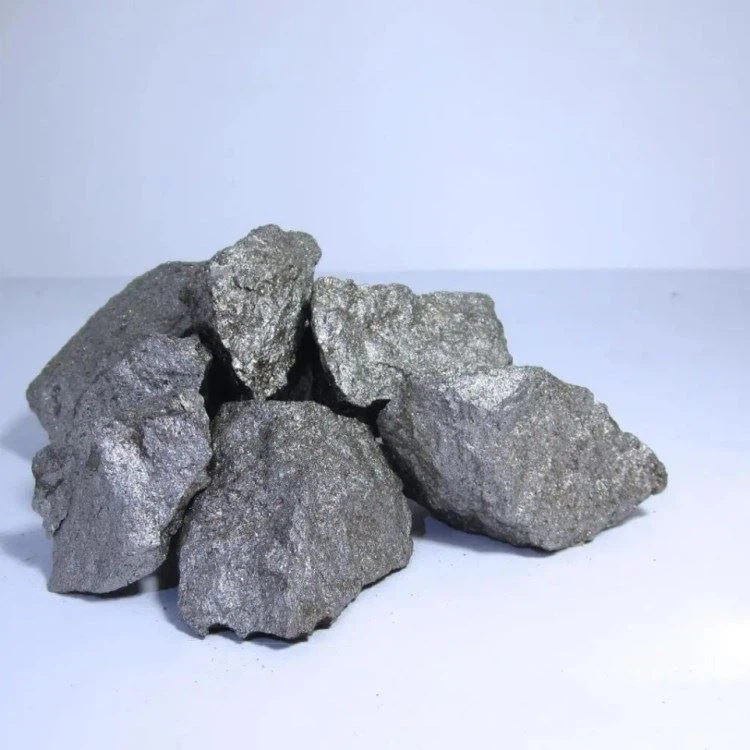
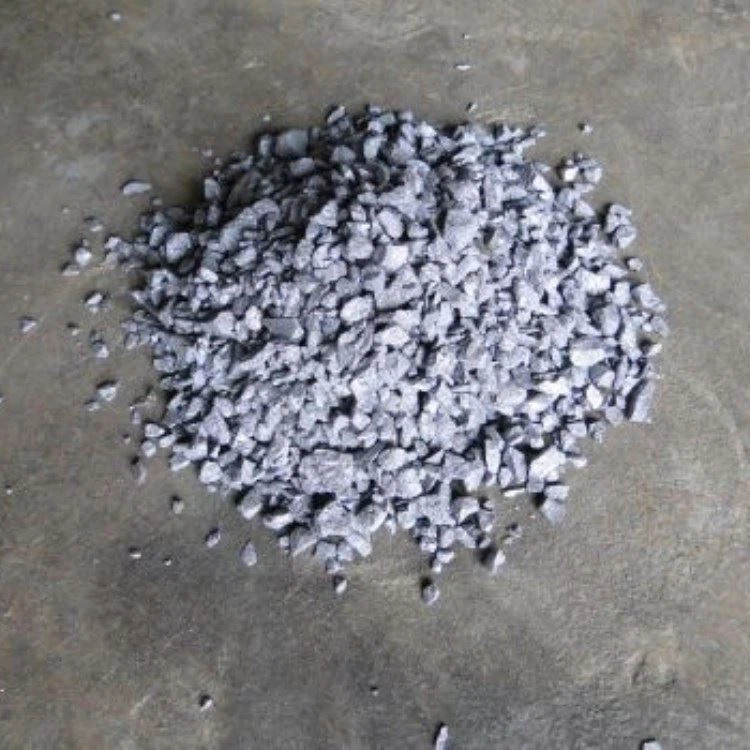
A: Manganese (Mn) is a gray-white to silvery metal with a moderate melting temperature and relatively high specific gravity (7.2 to 7.4). Manganese is added to iron along with other metals and carbon, to make steel. Manganese never occurs as the native metal in nature, but instead in some combination with other elements.
Q: What are uses of manganese?
A: ●Manganese is used to produce a variety of important alloys and to deoxidize steel and desulfurize.
●It is also used in dry cell batteries.
●Manganese is used as a black-brown pigment in paint.
●It is an essential trace element for living creatures.
●It is mainly used to decolourize glass and to prepare violet-coloured glass.
●Steel contains 1% manganese to increase strength and improve workability.
●Manganese steel has 13% manganese which is very strong and used for railway tracks, rifle barrels, safes and prison bars.
●Drink cans are made from an alloy of aluminium that contains 1.5% manganese, improving the resistance to corrosion.
●Manganese is also used as a catalyst, to decolourize the glass that is coloured green by iron impurities.
●Manganese sulphate is used to make a fungicide.
Q: What are the most useful properties of manganese?
A: It is mainly used in alloys, such as steel. Steel contains about 1% manganese, to increase the strength and also improve workability and resistance to wear. Manganese steel contains about 13% manganese. This is extremely strong and is used for railway tracks, safes, rifle barrels and prison bars.
Q: Is manganese a strong metal?
A: Hardness: Manganese is a relatively hard metal, with a Mohs hardness of 6.0. This means that it is harder than most other metals, but not as hard as a diamond or some other minerals. Magnetic Properties: Manganese is not typically magnetic, but it can become magnetic when exposed to strong magnetic fields.
Q: What is an unusual fact about manganese?
A: It's harder and more brittle than iron. Your body needs it to function properly, but too much can be unsafe. It's found in several foods-including nuts, tea, whole grains, and leafy vegetables-as well as in construction equipment, dry cell batteries and plant fertilizers. It’s Manganese, a gray-white metal, with atomic number 25 on the periodic table. Manganese (Mn) is not a rare metal as it makes up about 0.1% of the earth’s crust. Manganese ores usually consist of dark brown to black oxides particularly pyrolusite (MnO2) and psilomelane [(Ba,H2O)2Mn5O10]. Manganese carbonate (rhodochrosite, MnCO3) and silicate (braunite, MnSiO3) may occur locally.
Q: What are the disadvantages of manganese?
A: Exposure to manganese dust or fumes can also lead to a neurological condition called manganism. Manganism's symptoms, similar to those of Parkinson's disease, may include the following: trembling, stiffness, slow motor movement and potentially severe depression, anxiety and hostility.
Q: Is manganese attracted to magnet?
A: Metals that naturally attract magnets are known as ferromagnetic metals; these magnets will firmly stick to these metals. For example, iron, cobalt, steel, nickel, manganese, gadolinium, and lodestone are all ferromagnetic metals. Some metals, including iron, are referred to as magnetically soft because they become strong temporary magnets when a strong magnetic field is placed near them and then lose their magnetism when the magnet is removed.
Q: Is manganese a rare metal?
A: Manganese is an important metal alloying ingredient. Without manganese, stainless steel would not be possible. In addition, it helps other metals resist rust and corrosion, such as iron and aluminum. Manganese is a fairly common element in the Earth’s crust, and exists in many concentrations easily mineable.
Q: Does manganese colour water?
A: Water that contains elevated manganese may be coloured (e.g. dark brown or blackish colour). It often stains laundry and fixtures. The only way to know if you have high levels of manganese is to test your water. The water supplier or well owner is responsible for testing for potential contaminants. Large public drinking water supply systems monitor for contaminants, including manganese.
Q: What are two features of manganese?
A: It is a hard metal and is very brittle. It is hard to melt, but easily oxidized. Manganese is reactive when pure, and as a powder it will burn in oxygen, it reacts with water (it rusts like iron) and dissolves in dilute acids. Manganese is essential to iron and steel production. At present steel making accounts 85% to 90% of the total demand, most of the total demand. Manganese is a key component of low-cost stainless steel formulations and certain widely used alumimum alloys. Manganese dioxide is also used as a catalyst. Manganese is used to decolorize glass and make violet coloured glass. Potassium permanganate is a potent oxidizer and used as a disinfectant. Other compound that find application are Manganese oxide (MnO) and manganese carbonate (MnCO3): the first goes into fertilizers and ceramics, the second is the starting material for making other manganese compounds.
Q: Where is manganese found in nature?
A: Manganese minerals are relatively common in the Earth's crust. The greatest abundance of manganese is in the form of ferromanganese nodules and crusts along the ocean floor. Marine chemical processes and microorganisms capture dissolved manganese in seawater, which is precipitated on the ocean floor.
Q: How Do We Use Manganese?
A: As much as 90 percent of manganese consumption, both in the United States and globally, is accounted for by the steel industry. Manganese removes oxygen and sulfur when iron ore (an iron and oxygen compound) is converted into iron. It also is an essential alloy that helps convert iron into steel. As an alloy it decreases the brittleness of steel and imparts strength. The amount of manganese used per ton of steel is rather small, ranging from 6 to 9 kilograms. About 30 percent of that is used during refinement of iron ore, and the remaining 70 percent is used as an alloy in the final steel product. Manganese is used also as an alloy with metals such as aluminum and copper. Important nonmetallurgical uses include battery cathodes, soft ferrites used in electronics, micronutrients found in fertilizers and animal feed, water treatment chemicals, and other chemicals such as those used as a colorant for automobile undercoat paints, bricks, frits, glass, textiles, and tiles. The product “manganese violet” is used for the coloration of plastics, powder coatings, artist glazes, and cosmetics.
Q: How common is manganese in nature?
A: Manganese is the 12th most abundant element in Earth's crust. Its concentration varies among common types of rocks, mostly in the range of from 0.1 to 0.2 percent. The highest quality manganese ores contain from 40 to 45 percent manganese. The formation of these ores requires specialized geologic conditions that concentrate manganese at several hundred times its average crustal abundance. The dominant processes in forming the world’s principal deposits take place in the oceans. As a result, most important manganese deposits occur in ancient marine sedimentary rocks that are now exposed on continents as a result of subsequent tectonic uplift and erosion. In many cases, other processes have further enriched these manganiferous sedimentary rocks to form some of today’s highest grade ores. Modern seabed resources of ferromanganese nodules cover vast areas of the present ocean floor and are still forming by complex interactions of marine microorganisms, manganese dissolved in seawater, and chemical processes on the seabed.
Q: What are applications of manganese steel?
A: Compared to any other steel like carbon, Manganese steel has lower tensile strength but higher yield strength which makes it more appealing to use in wider space of applications that requires immediate resistance and helps to not break apart easily but the ability to bend back into shape after being bent out of shape during the usage. Prison windows were made of manganese steel to prevent potential escapees from cutting themselves on the hacksaw blades. The use of steel in safes, fireproof cabinets, and anti-drill coverings has become more common in recent years. The corrosion resistance and oxidation resistance of manganese steel make it suitable for a variety of welding rod types. The high strength of manganese steel is due to its higher carbon content than other types of steel.
Q: What are properties of manganese steel?
A: It has excellent mechanical properties, which means it can withstand an extremely high force without breaking or being damaged. Manganese steel is a steel with a wide range of applications. Because manganese steel has a high compressive property, it can be extended without collapsing, making it an ideal material for buildings, bridges, and other infrastructure projects. Steel with a manganese content of between 0.3 and 2% is classified as low-alloy manganese steel, while stainless steels with manganese content up to 12% are considered stainless steel. High manganese MN 12-14 steel plates, and steel sheets, offer a great combination of properties. For example, high manganese plates are ideal for wearing plates in situations involving scraped area, effect, or oil. While maintaining an extreme interior, steel has the unique virtue of constructing an extremely solid work surface in an instant.
Q: What are the toxic properties of manganese?
A: Manganese toxicity can result in a permanent neurological disorder known as manganism with symptoms that include tremors, difficulty walking, and facial muscle spasms. These symptoms are often preceded by other lesser symptoms, including irritability, aggressiveness, and hallucinations.
Q: What is the purest form of manganese?
A: In pure form Manganese is a hard, brittle, gray-white metal. It is best known as an alloying agent in steel. It enhances the ability to hot-work steel and increases resistance to impact. The Roman empire used manganese in their weapons and they were able to defeat their enemies. The hardness property of manganese helped them to create strong equipment for war. Furthermore, humans have been using manganese compounds centuries before human civilization began. The history of Manganese usage traces back to the stone age era, where nomads used it as a pigment to decorate their caves and sacred places. Manganese is an element that has helped and still helps humans to improve their personal lives in various ways.
Q: What is manganese steel used for?
A: Because of its self hardening properties, manganese steel has been used in the mining industry for many years-cement mixers, rock crushers, crawler treads for tractors, elevator and shovel buckets-as well as in the rail industry (switches and crossings) and other high impact environments. Up until recently manganese steel was used in the window bars in prisons as it makes light work of chewing up the hacksaw blades of potential escapees. Nowadays the steel is often used in safes, bullet proof cabinets and anti-drill plates.