



Metallic Silicon 421
The grade consists of the symbol of the silicon element and 4 digits.
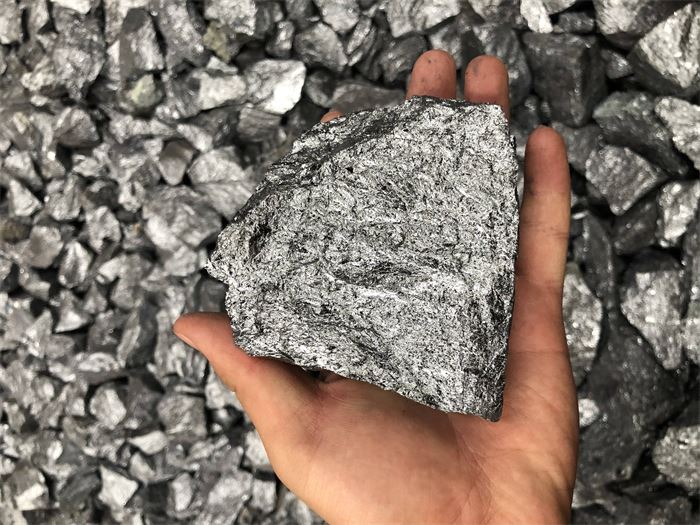
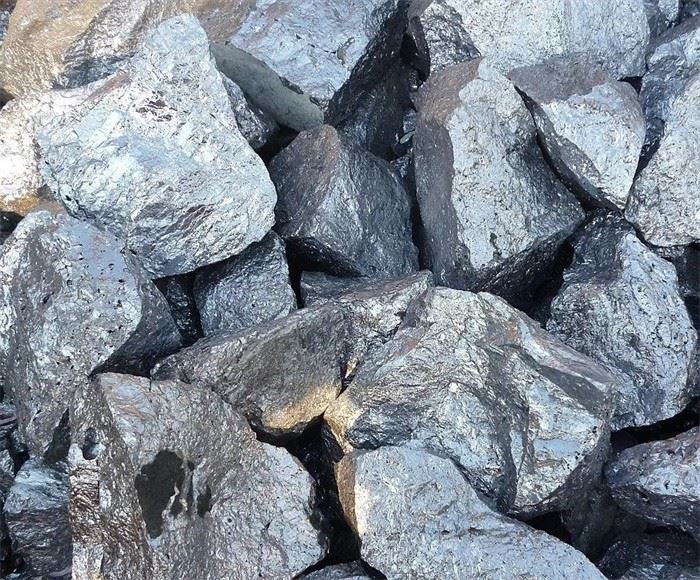
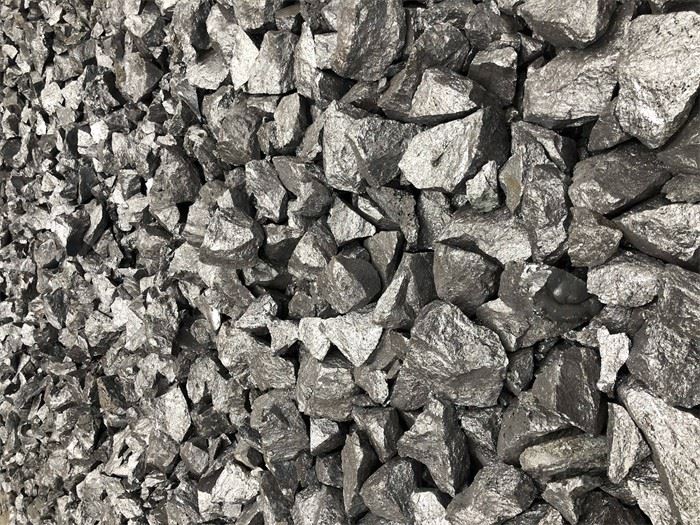
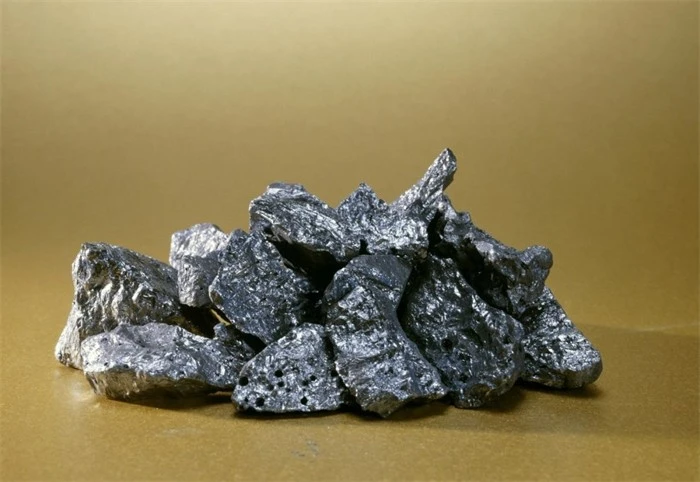
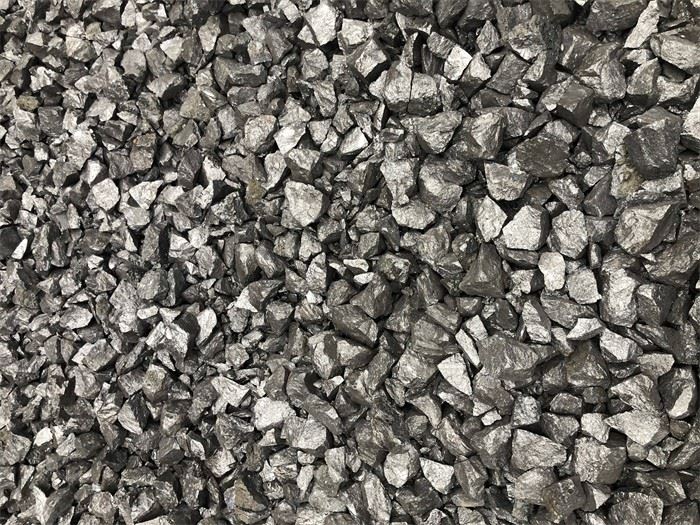
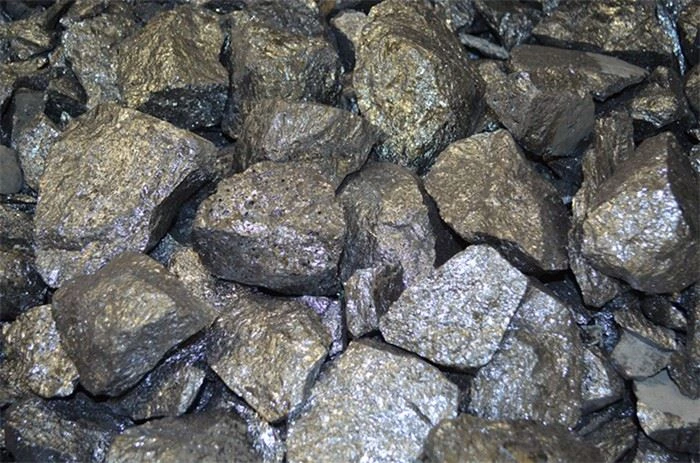
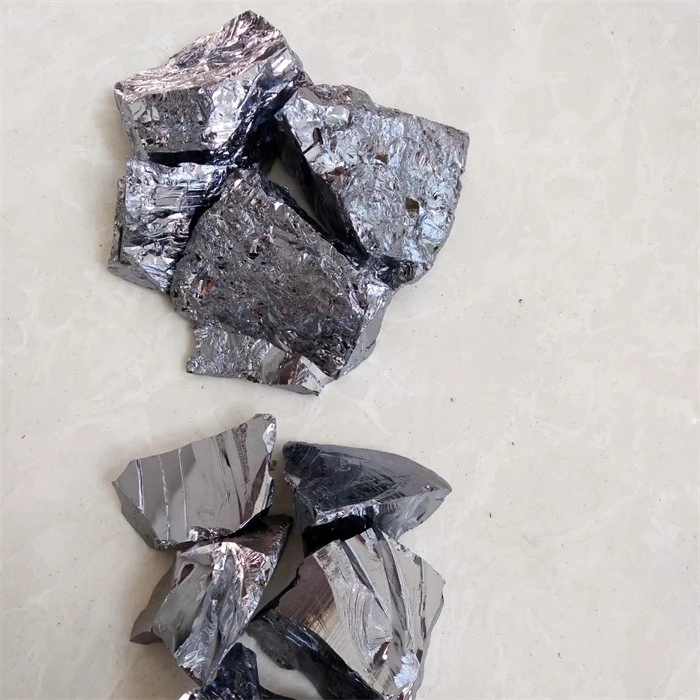
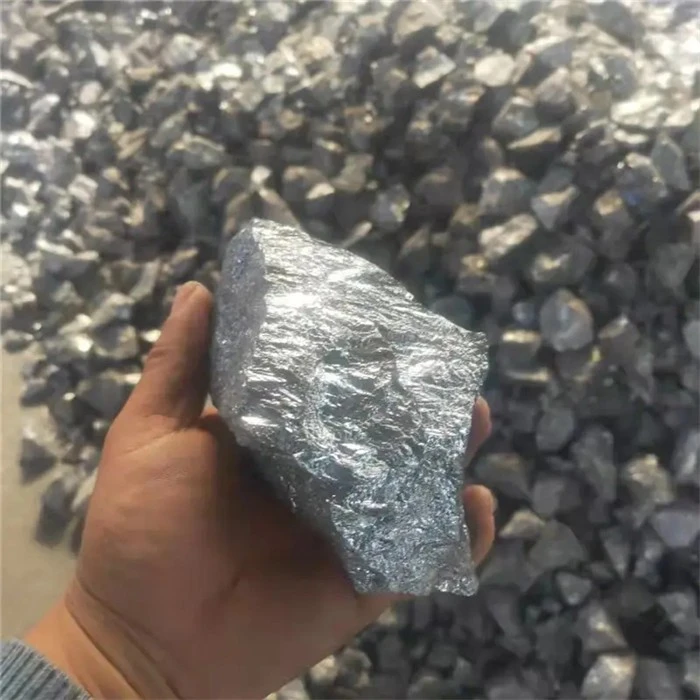
Industrial silicon: Industrial silicon, also known as metallic silicon, is a product smelted in a submerged arc furnace from silica (the main component is silicon dioxide) and a carbonaceous reducing agent.
The content of the main component silicon element is about 98%, and the remaining impurities are iron, aluminum, calcium, etc. Industrial silicon can be divided into 8 grades according to national standards (GBT2881-2014), such as 5530#, 4410#, 4210#, 3303#, etc.
The grade consists of the symbol of the silicon element and 4 digits.
The 4 digits respectively indicate the maximum content requirements of the main impurity elements iron, aluminum, and calcium in the product. The iron content and aluminum content take one decimal place, and the calcium content takes two decimal places.
For example, Si5530 indicates that the iron content is ≤0.5%, the aluminum content is ≤0.5%, and the calcium content is ≤0.30%. Among the various grades of industrial silicon, currently, Si4210 has a large demand, and Si5530 is more widely used.
The subdivided products of industrial silicon are mainly divided into polysilicon, organosilicon, and alloy silicon.
Its uses are very wide and can be used as the basic raw materials of silicon-aluminum and silicon-based alloys, organosilicon, and polysilicon.
Downstream applications have penetrated into multiple related industries such as national defense and military, information industry, new energy, etc.
Specific uses include:
1. Refractory materials: Industrial silicon has the characteristics of high temperature resistance and can be used to manufacture refractory materials such as refractory bricks and refractory ceramics, which are applied in industries such as steel, nonferrous metals, and chemicals;
2. Concrete industry: Its additional product microsilica powder can be applied in concrete to improve the strength and durability of concrete;
3. Producing silicon-aluminum alloys: Adding silicon during the casting process of aluminum alloys can improve the high-temperature fluidity and wear resistance of the alloy, while reducing the shrinkage rate and hot cracking tendency. Silicon-containing aluminum alloys can be used in the manufacturing of automotive engines, building materials, automotive wheels, etc.;
4. Producing steel: It can enhance certain properties of steel;
5. Producing optical fibers: It is one of the important raw materials for optical fibers;
6. For use in the photovoltaic industry and the electronics industry: Polysilicon is an important raw material for the photovoltaic and semiconductor industries. Metallic silicon can be further purified to prepare polysilicon, which is used to manufacture solar panels and silicon wafers in the microelectronics industry;
7. Producing organosilicon: Organosilicon compounds have the properties of both inorganic and organic materials, with basic properties such as low surface tension, small viscosity-temperature coefficient, high compressibility, and high gas permeability, and have excellent properties such as resistance to high and low temperatures, electrical insulation, and oxidation stability.
They are widely used in aerospace, electronics and electrical, construction, transportation, chemical, textile, food, light industry, medical and other industries. In the industrial silicon industry chain, the upstream is the chemical raw material manufacturing industry, mainly including silicon blocks, thermoelectricity, reducing agents (such as petroleum coke, coal, charcoal, etc.); the downstream is mainly electronic devices, daily chemical products, photovoltaics, semiconductors, automotive manufacturing, real estate and other industries.
The production process of industrial silicon is roughly as follows: Silica and reducing agent are weighed in a certain proportion and automatically added to the submerged arc furnace and heated to above 2000 degrees Celsius. Silicon dioxide is reduced by the carbon reducing agent to generate industrial silicon liquid and carbon monoxide (CO) gas.
The CO gas escapes through the material layer. Oxygen and air mixed gas is introduced at the bottom of the silicon ladle to remove other impurities such as calcium and aluminum, and then the silicon ladle is transported to the casting room by an electric包车 to be cast into silicon ingots. After cooling, the finished silicon blocks are obtained through crushing, grading, weighing, packaging, and warehousing.
A large amount of electricity is consumed during its production process. The electricity consumption for smelting one ton of industrial silicon is 11000-14000 kWh, and the electricity cost accounts for a relatively high proportion of the total production cost. China is the world's largest producer, consumer, and exporter of industrial silicon.
In recent years, with the rapid development of industries such as new energy and electronic information, the market demand for industrial silicon has continued to grow. However, the price of industrial silicon fluctuates relatively sharply, which makes the demand for managing price fluctuation risks by enterprises in the industrial chain increasingly strong.
Hot Tags: metallic silicon 421, China metallic silicon 421 suppliers, factory, Silicon Carbon Ball, Silicon Aluminum Barium Calcium, Passivated Magnesium Powder, manganese cobalt, Alumium Manganese Alloy, Silicon Slag


Send Inquiry
