


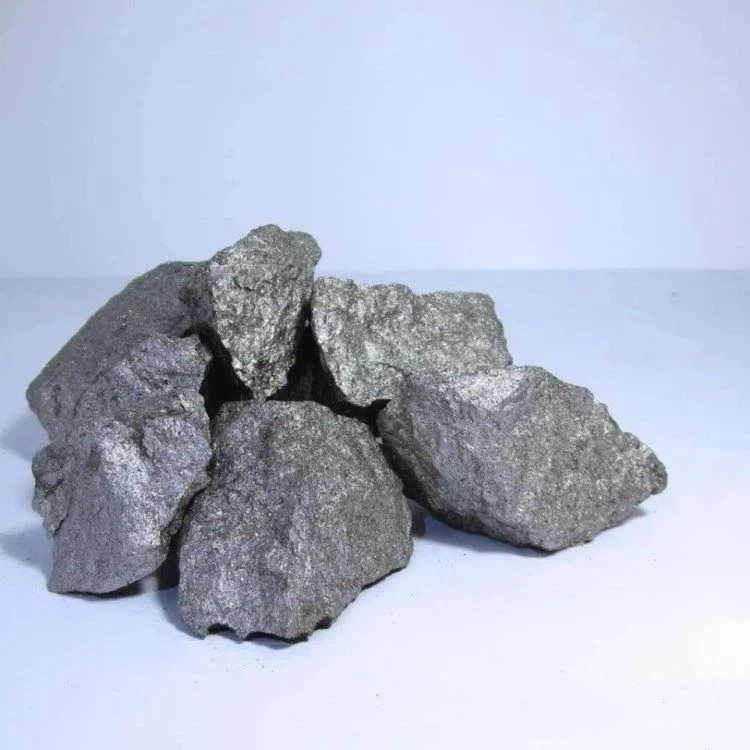
Silicon Manganses Ball
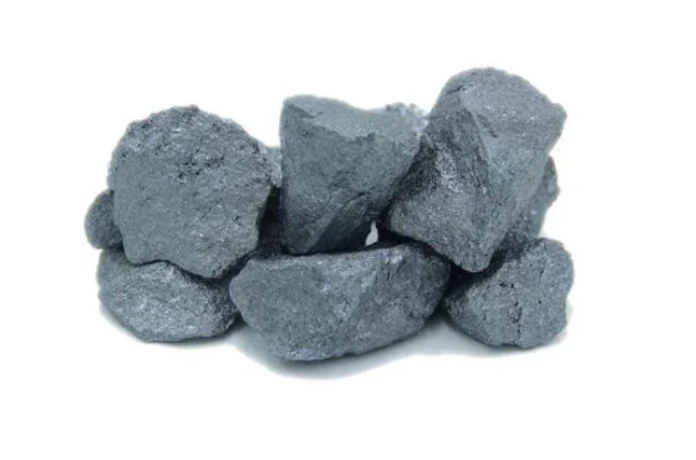
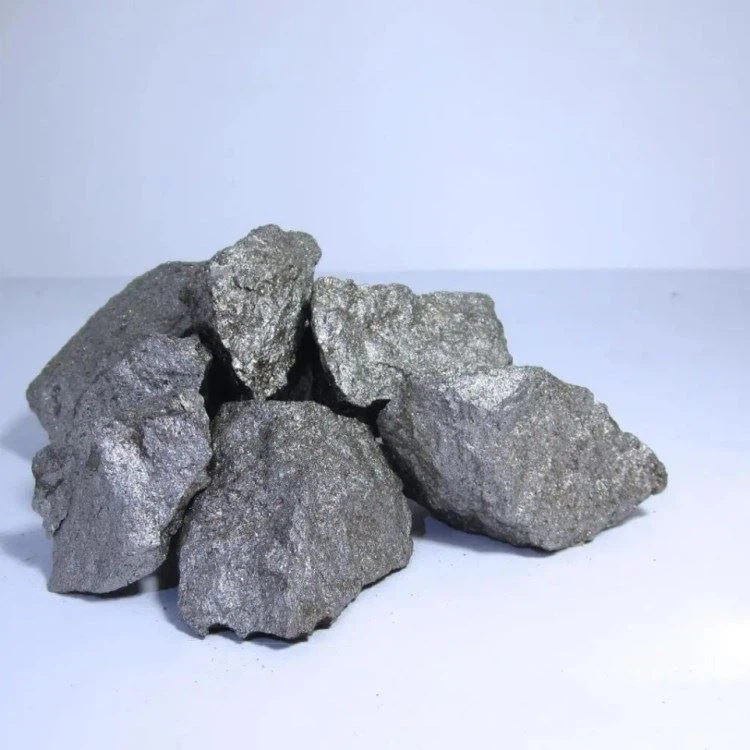
Silicon carbon alloy powder is a chemically stable powder that is not affected by strong acids and alkalis. It has low iron and sulfur content and less harmful impurities. Silicon carbon alloy is a composite alloy deoxidizer that can replace more expensive traditional deoxidizers. It is a new type of alloy that can be used in a revolving furnace for deoxidizing and as a carbon additive for steelmaking. Silicon carbon alloy can replace ferrosilicon powder, calcium carbide, carbon powder, and alloy powder. It can also replace ferrosilicon, silicon carbide, and carburizing agents.
Your Leading Manganese Supplier in China
Guangzhou Shenglong Import And Export Trade Co., Ltd have several factories in Henan. Our main products are: silicon manganese, industrial silicon, steel sand aluminum, aluminum block, aluminum iron, silicon aluminum iron, ferrochrome, ferromanganese, manganese ore, carburizing agent and so on
R&D Capability
We have laboratories and our own technical center equipped with advanced chemical analysis equipment, physical testing chambers and experimental workshops that can conduct small-scale to large-scale testing.
Support Customization
We can produce various types of ferroalloy according to customer demand, at the same time, chemical composition and particle size can also be customized.
Best Cost Assurance
We have four production lines with an annual output of 50,000 tons. All our products are shipped directly from the production site, which enabled us to provide our partners with high quality, low price and competitive services.
Quality Assurance
Third-party testing institutions guarantee that each batch of goods meets the requirements of our partners. Our production process is implemented under the advanced quality control mechanism, and each link is strictly controlled to ensure that the goods delivered to the partner are fully qualified.
What is Silicon Carbon Alloy Powder
Silicon carbon alloy powder is a chemically stable powder that is not affected by strong acids and alkalis. It has low iron and sulfur content and less harmful impurities. Silicon carbon alloy is a composite alloy deoxidizer that can replace more expensive traditional deoxidizers. It is a new type of alloy that can be used in a revolving furnace for deoxidizing and as a carbon additive for steelmaking. Silicon carbon alloy can replace ferrosilicon powder, calcium carbide, carbon powder, and alloy powder. It can also replace ferrosilicon, silicon carbide, and carburizing agents.
Our Related Products

New Thermal Compensator is used to offset sensor performance when efficiency is impacted by fluctuations in temperature.

The production of silicon calcium barium alloy by carbothermal method is to smelt carbon reducing agent and lime, silica, Baryte and other raw materials in the same submerged arc furnace.

Petroleum Coke Carburizing Agent
Liquid iron carburizing technology can increase graphite crystal nucleus during smelting, especially electric furnace smelting.

This silicon carbon ball has a particle size of 10~50mm and can be evenly mixed with molten steel. It also offers convenience in transportation and storage, as its smaller diameter makes stacking and storage easier.

This auxiliary heat agent can effectively promote chemical reactions in the steel production process and remove gases and inclusions in molten steel.

Petroleum Coke Carburizing Agent
The petroleum coke carburizing agent is made from petroleum coking coal, which is a black solid coke produced by cracking and coking vacuum residue oil at a high temperature of 500-550°c in a delayed coking device.

Silicon barium calcium alloy is one efficient new type composite alloy in department of barium alloy, it is used for steelmaking deoxidizer, desulfurization agent, also have a function of dephosphorization; it is the nucleating agent and modificator in casting.

Silicon Aluminum Barium Calcium
Silicon aluminum barium calcium is a ferroalloy material that also has a strong deoxygenation effect. It plays a very important role in the steel manufacturing industry and can smelt high-quality steel.

The silicon aluminum ferroalloy is an alloy with very good electrical conductivity. This material is commonly used as conductive materials such as wires and cables.
How is Silicon Carbon Alloy Powder Made
In the process of smelting metallic silicon, the heating of the electrodes in the furnace is not enough. This causes the furnace bottom to reach the temperature required to produce metallic silicon. Raw materials such as bottom silica and carbon are not sufficiently reacted. After a long period of accumulation, high carbon silicon is formed. Silicon carbon alloy is a new type of alloy used in rotary furnaces. It can replace deoxidized alloys such as ferrosilicon and silicon carbide, and reduce the amount of deoxidizers. Compared with the traditional deoxidizer, it can make the steel have better chemical composition and better mechanical properties.
Specifications of Silicon Carbon Alloy Powder
| Model | Chemical Component (%) | Size | ||||
| Si | C | P | S | Al2O3 | ||
| Si35C15 | 35 min | 15 min | ≤0.2 | ≤0.2 | ≤5 | As Request |
| Si45C15 | 45 min. | 15 min. | ≤0.2 | ≤0.2 | ≤5 | |
| Si55C15 | 55 min. | 15 min. | ≤0.2 | ≤0.2 | ≤5 | |
| Si65C15 | 65 min. | 15 min. | ≤0.2 | ≤0.2 | ≤5 | |
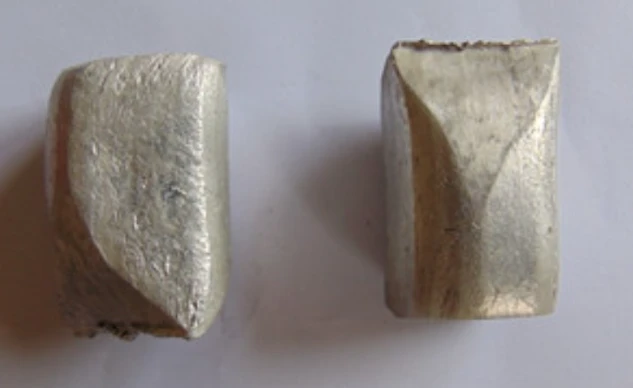
●It is a substitute for ferrosilicon during steel smelting, which can reduce production costs and reuse resources.
●During steelmaking, it can be used as a deoxidizer to reduce the proportion of oxygen in the melt.
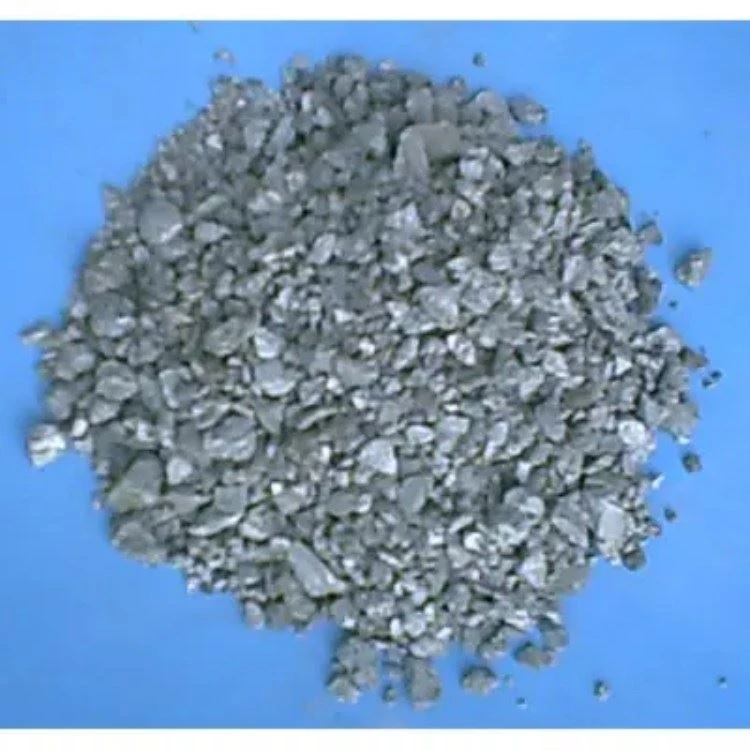
●It can be processed into various forms, spherical, granular, or powdered.
●It has a high density, high purity, and low pollution to molten steel.
●Stable performance and can improve its recovery rate.
●It can reduce the use of alloys, reduce production costs, and improve economic benefits.
●Improving the quality of molten steel is also helpful for the performance and quality of steel.
Why is Silicon Carbon Alloy Powder Favored by the Smelting Industry
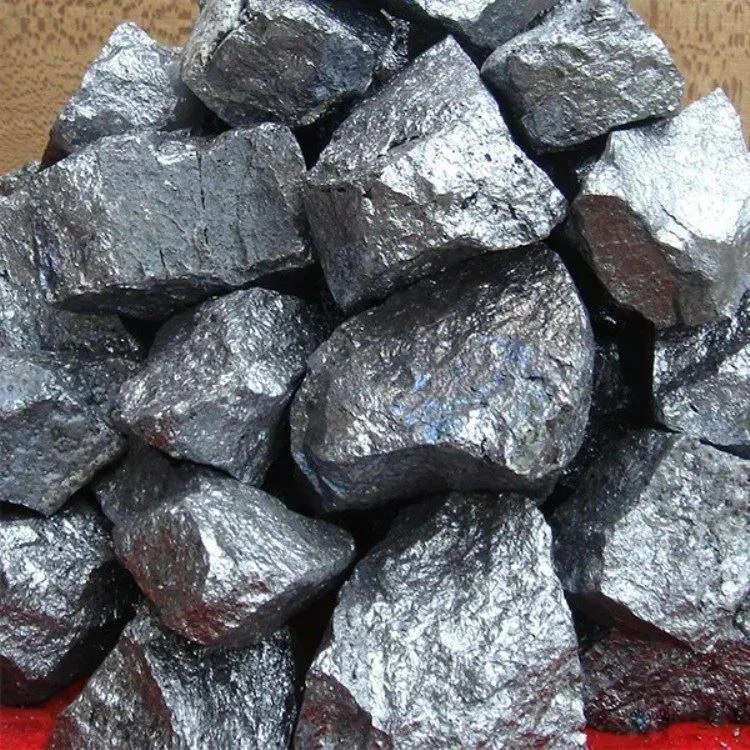
High-carbon silicon is a new metallurgical material that has undergone rapid development in the metallurgical industry. The reason why silicon-carbon alloy is called silicon-carbon alloy is because its main elements are silicon and carbonIts price is cheaper than traditional metallurgical materials, but it can replace traditional metallurgical materials such as ferrosilicon and silicon carbide. It has been used by steel manufacturers for a long time It can be used instead of ferrosilicon and other metallurgical materials


Deoxidation of Silicon Carbon Alloy
Silicon-carbon alloy contains silicon element. After the silicon-carbon alloy is added in the steelmaking process, the silicon element in it reacts with oxygen to deoxidize the oxygen in the molten steel to improve the hardness and quality of the steel, and the silicon element in the silicon-carbon alloy and the Oxygen has a good affinity, so the molten steel has the characteristics of not splashing after being put in.
Slag Collection Properties of Silicon Carbon Alloys
Silicon-carbon alloy also has the advantage of collecting slag. Putting a certain proportion of silicon-carbon alloy into molten steel can quickly group oxides in the steelmaking process, which is convenient for filtration, making molten steel more pure and greatly improving the density and hardness of steel.
Increasing the Furnace Temperature
Silicon-carbon alloy is a good temperature-resistant material. Putting silicon-carbon alloy in the process of steelmaking can increase the furnace temperature, increase the conversion rate of ferroalloy, and accelerate the reaction speed of molten steel and elements.
An Ideal Choice to Replace Ferrosilicon
Silicon carbon alloy is a high carbon ferroalloy product with carbon content between 15-30, but the silicon content can reach 65, 55, 45, 40 ferrosilicon product content, but the price is lower than that of ferrosilicon. The ideal substitute for ferrosilicon, the main reason for the low price of ferrosilicon is the reduction of material costs in its production. If only the silicon content is required to ignore the carbon content, silicon carbon alloy is undoubtedly an ideal choice to replace ferrosilicon!
As the name suggests, silicon-carbon alloy is an alloy composed of silicon and carbon, but its performance and characteristics are not the sum of the properties of silicon and carbon. Its chemical properties mainly reflect oxidation resistance, acid and alkali resistance. When the material is heated to 1300°C in air, a protective layer of silicon dioxide begins to form on the surface of its silicon carbide crystals. With the thickening of the protective layer, the internal silicon-carbon alloy is prevented from being oxidized, which makes the silicon-carbon alloy have better oxidation resistance.
Alloying Agents
Iron and Steel Field
Silicon carbon alloy can be used as deoxidising agent and alloying agent in iron and steel production, which can optimise the steel organisation, improve the performance of iron and steel, and at the same time improve the strength, hardness, wear resistance and corrosion resistance of steel.
Casting Field
Silicon carbon alloy can be used in the casting process of metamorphic treatment, change the casting grain size, organisational structure and mechanical properties, improve the hardness and wear resistance of castings.
Non-ferrous Metal Field
Silicon carbon alloy can be used in the alloying treatment of aluminium alloy, magnesium alloy and other non-ferrous metals, to improve the alloy's strength, hardness, wear resistance and corrosion resistance.
Other Fields
Silicon carbon alloy can also be used in aerospace, electronics, chemical industry and other fields, as high-temperature alloys, functional materials, ceramic materials, such as additives or enhancers.
Common Problem of Silicon Carbon Alloy Powder
Q: What is the alloy of carbon and silicon?
Q: What are silicon alloys used for?
Q: Why is silicon added to aluminum casting alloys?
Q: Can silicon and carbon be combined?
Q: What is silicon alloy made of?
Q: What is the role of silicon in carbon steel?
Q: What are the properties of Aluminium silicon alloys?
Q: What happens when silicon is doped with aluminium?
Q: What is the product of silicon and carbon?
Q: What is the relationship between carbon and silicon?
Q: Is silicon a metal or alloy?
Q: Is an alloy of carbon silicon with iron?
Q: Why silicon is a semiconductor and not carbon?
Q: What is meant by electrical steel?
Q: What is the origin of electrical steel?
Q: How does electrical steel work?
Q: How is electrical steel made?
Q: Is carbon and silicon non-metals?
Q: What is the use of silicon alloy?
Q: What is iron silicon alloy?
Hot Tags: silicon manganses ball, China silicon manganses ball suppliers, factory, Pure Silicon Particles, Silicon Aluminum Slag, Silicon Carbide, Silicon Manganses Ball, Silicon, Foundry Silica Particles



Send Inquiry
