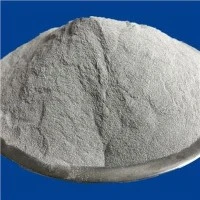
Manganese - the metal element most closely related to psychiatry
Jul 05, 2022
Physiological function
1. Promotes bone growth and development.
2. Protects the integrity of mitochondria in cells.
3. maintain normal brain function.
4. Maintain normal glucose and fat metabolism.
5. Can improve the body's hematopoietic function.
affect health
Symptoms of manganese deficiency can affect reproductive performance and may result in congenital malformations, abnormal bone and cartilage formation, and impaired glucose tolerance in offspring. In addition, the lack of manganese can cause neurasthenia syndrome, affecting mental development. Manganese deficiency will also lead to a decrease in insulin synthesis and secretion, affecting glucose metabolism.
Easily absorbed by wet mucosal surfaces to generate sulfurous acid and sulfuric acid. It has a strong stimulating effect on the eyes and respiratory mucosa. A large amount of inhalation can cause pulmonary edema, laryngeal edema, vocal cord spasm and cause suffocation.
In mild poisoning, lacrimation, photophobia, cough, burning pain in the throat and throat, etc.; severe poisoning can cause pulmonary edema within a few hours; inhalation of extremely high concentrations can cause reflex glottis spasm and cause suffocation. Inflammation or burns on skin or eye contact. Chronic effects: Long-term exposure to low concentrations may cause systemic symptoms such as headache, dizziness, and fatigue, as well as chronic rhinitis, pharyngitis, bronchitis, and decreased sense of smell and taste. A small number of workers have tooth erosion.